Estimating for Canadian Winters: What to Allow For
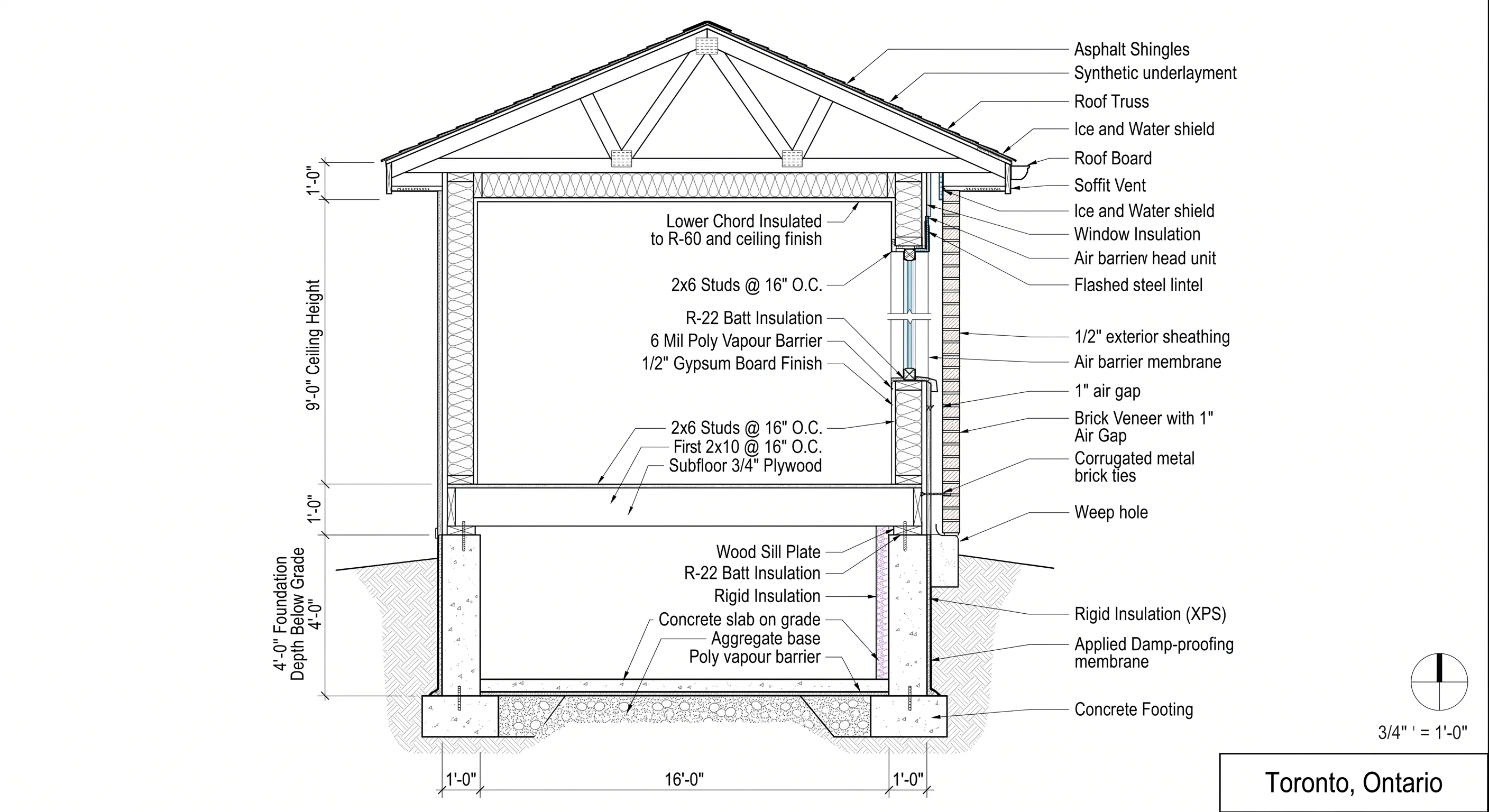
Building in Canada means building around the weather. A project that is priced as if it will be built in mild conditions can lose a surprising amount of money once the temperature drops. A good estimate accounts for winter before the first shovel goes in the ground.
Start with concrete. Fresh concrete must be protected from freezing, so cold-weather pours often need heated enclosures, insulated blankets, heaters, and sometimes accelerators or heated mix water. These items add material, equipment, and labour, and they need to be in the estimate.
Next, think about productivity. Crews work more slowly in the cold. Gloves, short days, frozen ground, and delays for snow clearing all reduce output. Many estimators apply a productivity adjustment for the winter months, which raises labour hours on exterior work.
Temporary heat and enclosures come next. Interior finishes such as drywall, taping, painting, and flooring need minimum temperatures to cure properly, so temporary heat is a real cost on winter projects. Hoarding and weather protection for open structures belong on the list as well.
Site conditions matter too. Frost depth affects footing and foundation depths, and frozen or snow-covered ground changes excavation and backfill work. Snow removal, de-icing, and winter access to the site should be allowed for.
Finally, plan the schedule. If the roof and envelope can be closed in before deep winter, interior work becomes much easier and cheaper.
Our estimators adjust every project for its location and season across all provinces and territories. Tell us where and when you are building, and we will price in the weather.